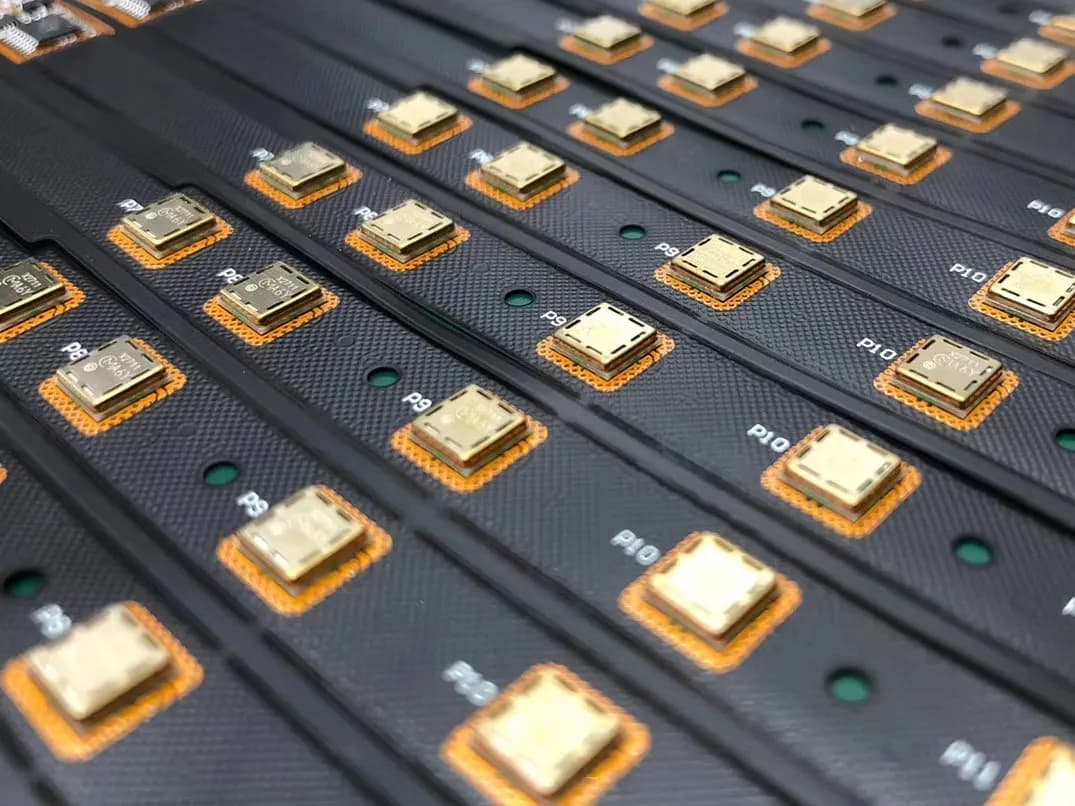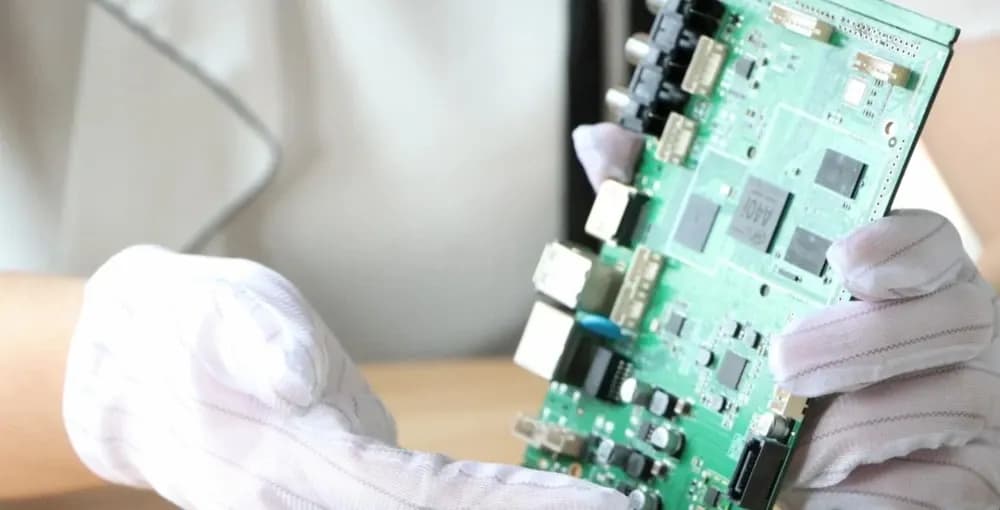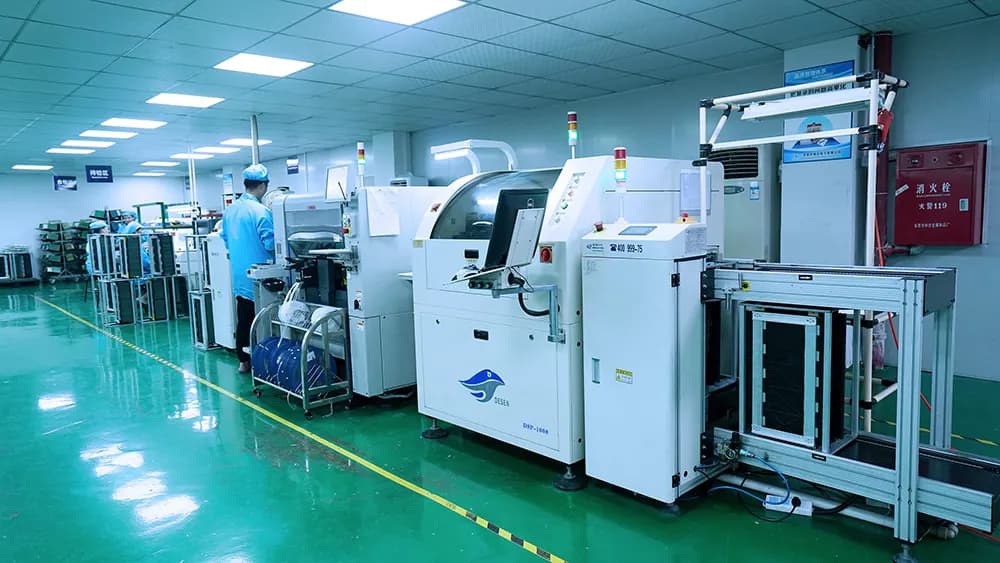
How an aluminum PCB is built: the copper circuit layer, the thermally conductive insulating layer and the metal base, and why the structure suits power and LED designs.
 Onlitex Engineering Team1 min read
Aluminum PCB: Structure and Materials
An aluminum-based copper clad PCB is a metal circuit board material made of copper foil, a thermally conductive insulating layer and a metal substrate. Its structure has three layers:
- Circuit layer: equivalent to the copper foil of an ordinary PCB, with a copper thickness of 1 oz to 10 oz.
- Insulating layer: a layer of thermally conductive material with low thermal resistance, 0.003" to 0.006" thick. It is the core technology of aluminum-based copper clad boards and has obtained UL certification.
- Base layer: a metal substrate, usually aluminum or copper.
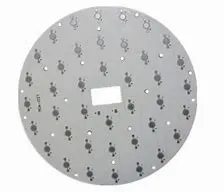
Circuit layer
The circuit layer (the copper foil) is usually etched to form the printed circuit that connects the components to each other. In general, the circuit layer needs a high current-carrying capacity, so thicker copper foil should be used, with a thickness of 35 µm to 280 µm.
Thermally conductive insulating layer
The thermally conductive insulating layer is the core technology of the aluminum PCB. It is usually made of a special polymer filled with special ceramics. It has low thermal resistance and excellent viscoelastic properties, resists aging, and can withstand mechanical and thermal stress. High-performance aluminum PCB insulating layers such as IMS-H01, IMS-H02 and LED-0601 use this technology, which gives them excellent thermal conductivity and high-strength electrical insulation.
Metal base
The metal base is the supporting component of the aluminum PCB and requires high thermal conductivity. It is usually an aluminum plate, although a copper plate can also be used (copper provides better thermal conductivity). It is suitable for conventional machining such as drilling, punching and cutting.
Why choose an aluminum PCB?
Compared with other materials, aluminum PCBs have unmatched advantages. They are suitable for SMT mounting of power components and need no separate heat sink, which greatly reduces product volume. They also offer excellent heat dissipation and good insulation and mechanical properties.
Read more in the advantages of aluminum PCBs.
- #aluminum PCB
- #metal core PCB
- #LED PCB
- #thermal management