Manufacturing· 6 min
SMT vs Through-Hole (THT) PCB Assembly — Which Should You Choose?
Surface-mount or through-hole? Compare cost, reliability, density and production speed to choose the right PCB assembly method for your product.

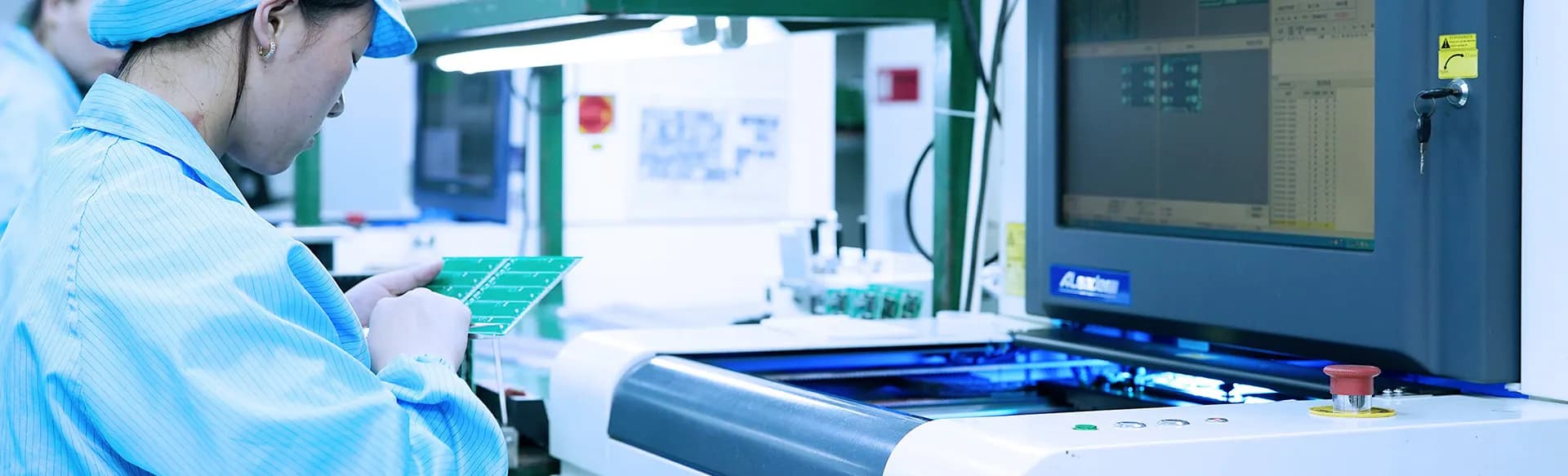
How printed circuit boards are made and assembled, from materials and surface finishes to SMT, reflow, wave soldering and stencils.
Surface-mount or through-hole? Compare cost, reliability, density and production speed to choose the right PCB assembly method for your product.
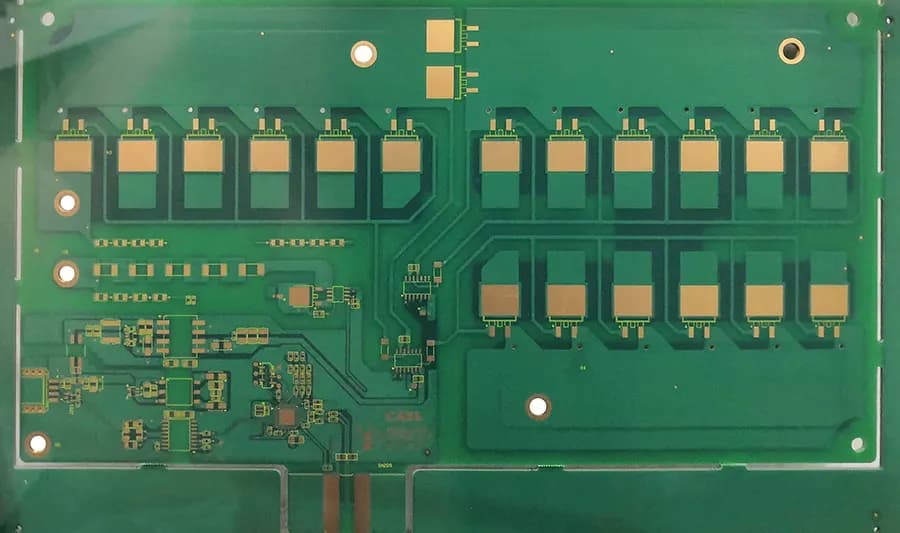
What OSP is, how the OSP surface finish is applied step by step, the process parameters that control film quality, and the limitations to plan for.
Surface Mount in PCB Assembly
What surface mount means in PCB assembly, how solder paste, stencils and pick-and-place machines are used, and the pros and cons compared with through-hole.
The PCB Manufacturing Process, Step by Step
The main steps in making a bare PCB, from material cutting and drilling to imaging, etching, solder mask, V-cut, routing, electrical testing and OSP.
Why Does PCBA Need a Stencil?
What an SMT stencil is, why PCB assembly relies on it to deposit the right amount of solder paste on each pad, and why stencil apertures are electropolished.
How laser welding works in SMT and PCBA processing, the key parameters (power density, pulse shape, pulse width, defocus and speed) and ways to improve it.
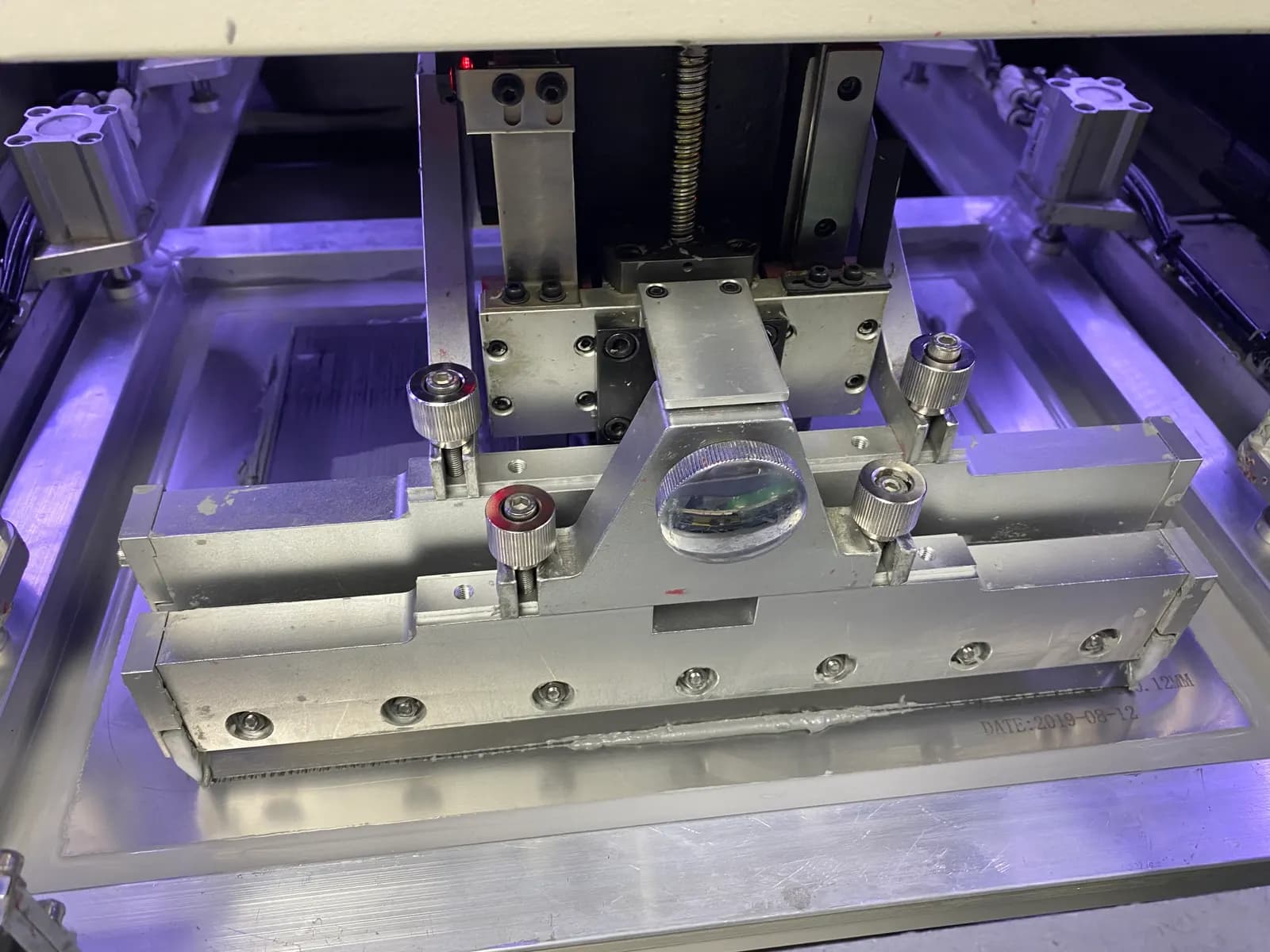
How squeegee angle, speed, pressure and width affect solder paste printing in PCBA, with recommended settings for each parameter.
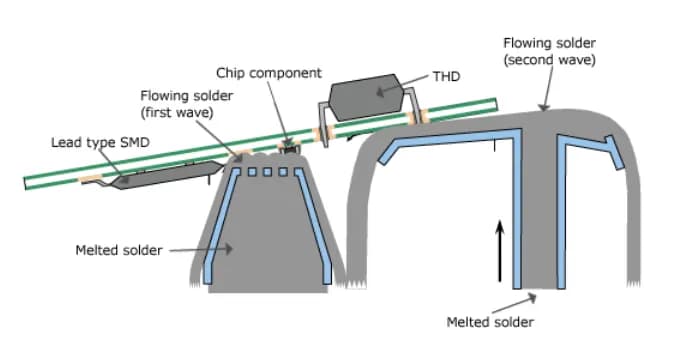
What wave soldering is, the four steps of the process (fluxing, preheating, the solder wave and cooling) and the assembly types it is used for.
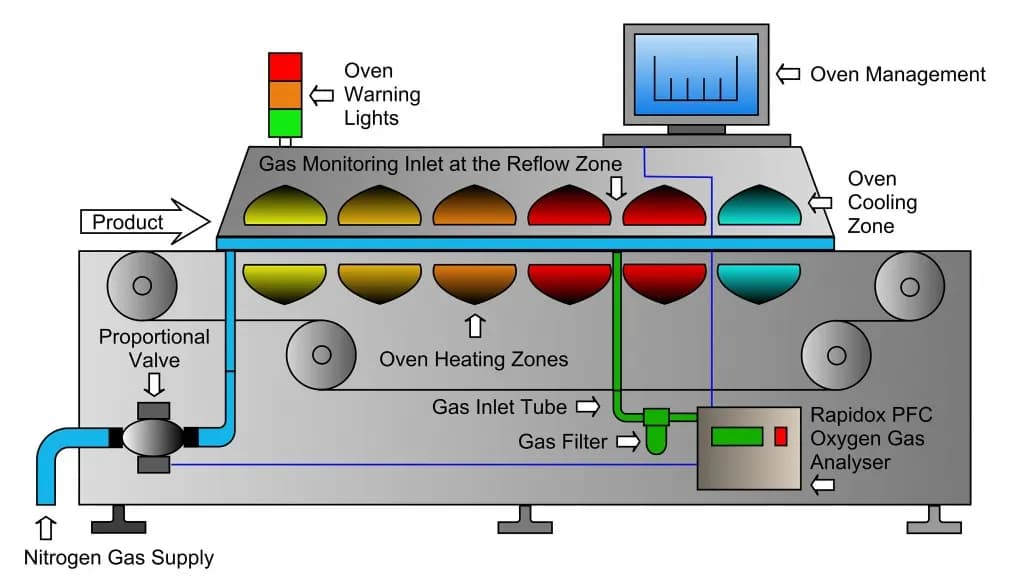
What reflow soldering is, the four stages of the reflow profile (preheat, soak, reflow and cooling) and how reflow is used for SMT and pin-in-paste assembly.
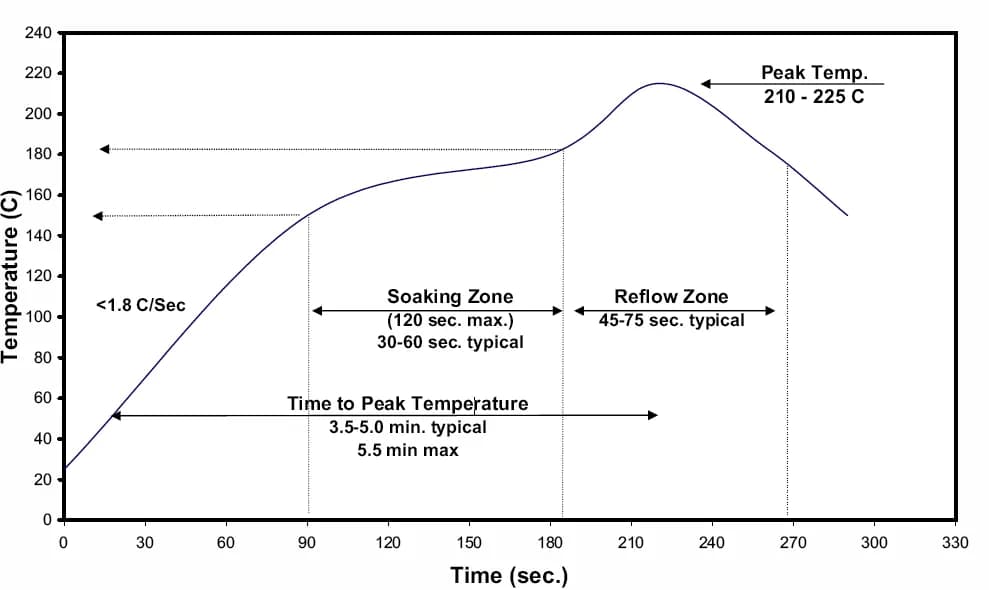
The key SMT steps for flexible printed circuits: fixing the FPC to a carrier, solder paste printing, placement, reflow profiling, inspection and depaneling.