Guides· 5 min
Low-Volume PCB Assembly in China: MOQ, Lead Time & Cost
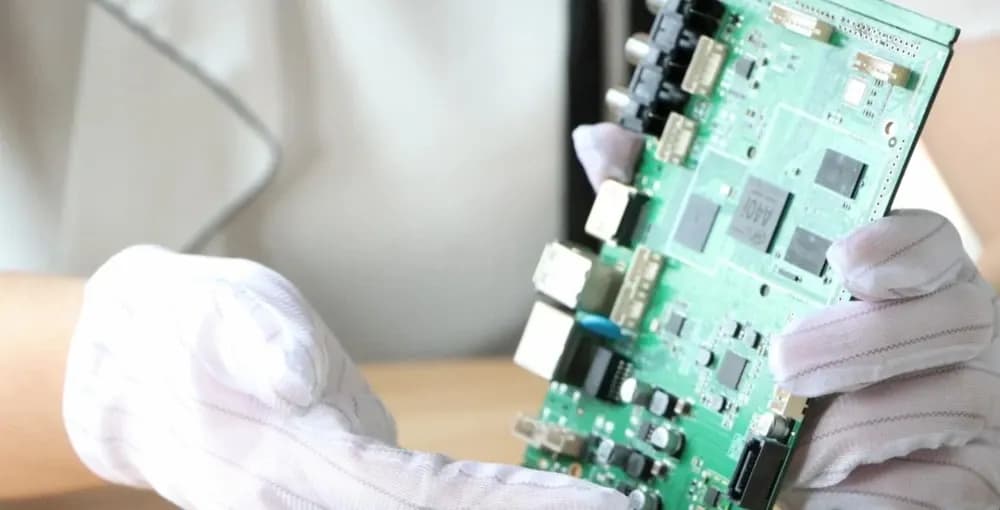
No MOQ doesn't always mean no minimum. What low-volume PCB assembly in China really involves: hidden part minimums, real lead times and small-batch cost.

Step-by-step guides for engineers and buyers sourcing PCB assembly: what to send for a quote, how to choose a manufacturer and how to get boards right the first time.
No MOQ doesn't always mean no minimum. What low-volume PCB assembly in China really involves: hidden part minimums, real lead times and small-batch cost.
From DFM and BOM choices to panelization and test strategy: eight practical ways to reduce PCB assembly cost without putting reliability at risk.
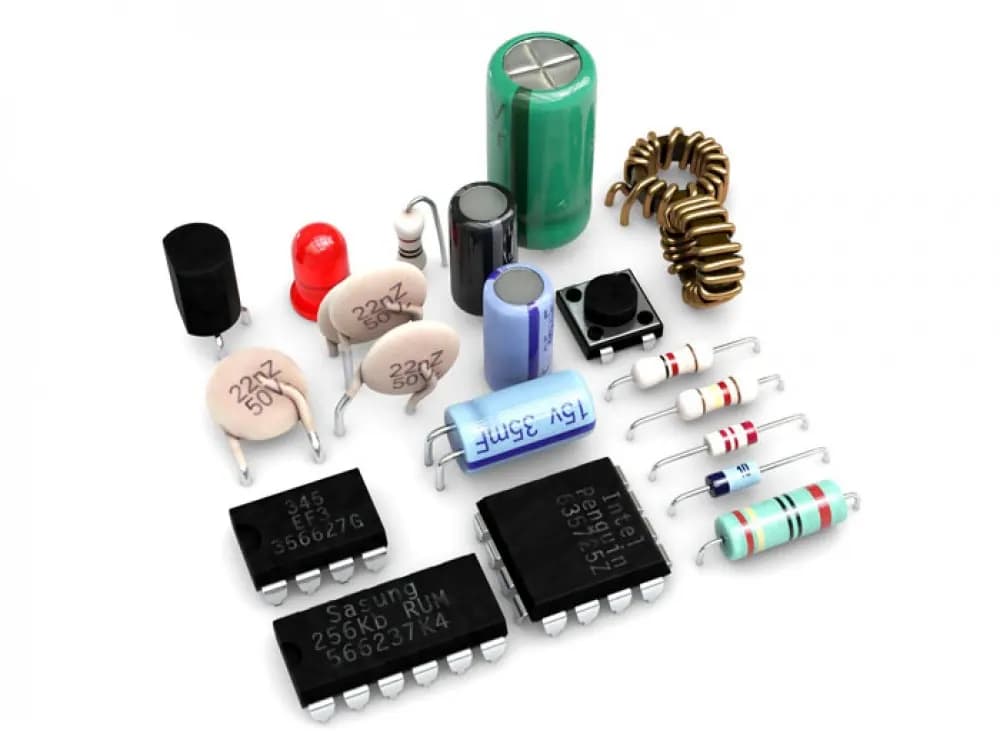
Turnkey, consigned or partial turnkey PCB assembly? Compare cost, lead time, risk and control, and see which sourcing model fits your project best.

Certifications, MOQ, sourcing, testing, IP protection and lead time — ten questions that help you choose the right PCB assembly partner in China.
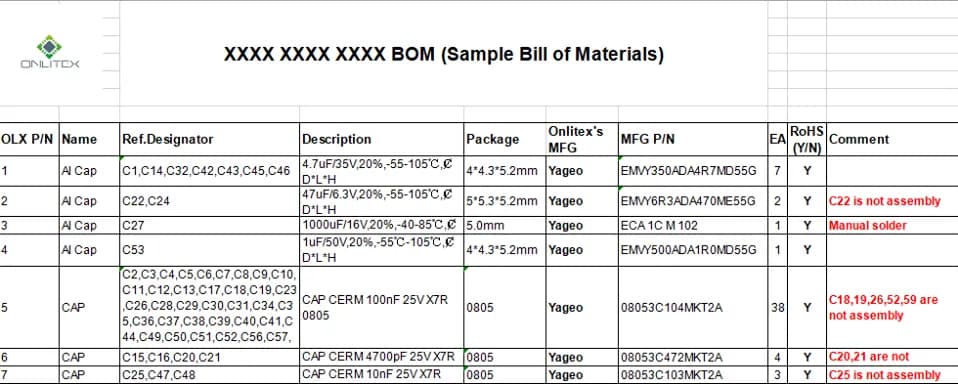
Gerber, BOM, pick-and-place, STP and test specs — the exact files a PCB assembly manufacturer needs to give you an accurate quote in 24–48 hours.

How PCBs replaced point-to-point wiring, why flexible PCBs are in demand, and the main types of FPC: single-layer, double-sided and multilayer.
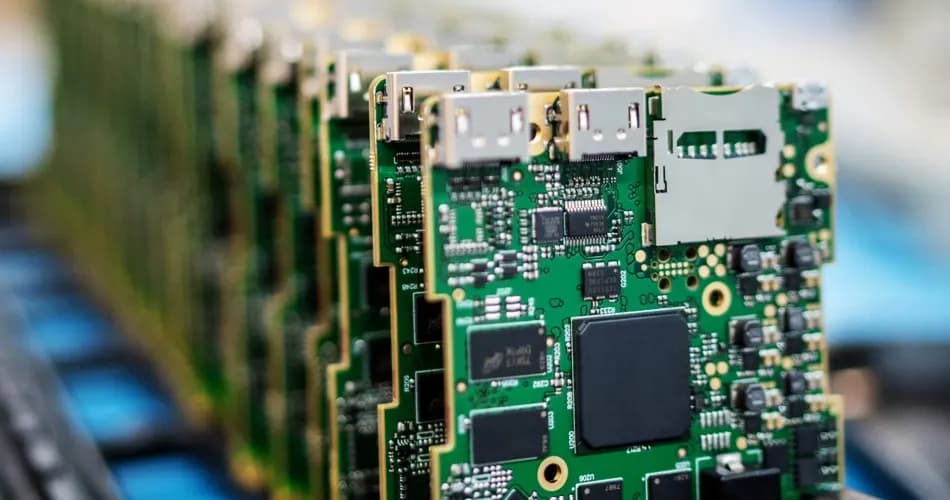
A glossary of 26 terms used every day in PCB fabrication and PCBA processing, from annular ring and thieving to V-score, solder pot and wave soldering.
HASL vs OSP: Hot Air Solder Leveling vs Organic Solderability Preservative
How two common PCB surface finishes protect copper before soldering: the thin organic film of OSP and the tin-lead solder coating of HASL.
Aluminum PCB: Structure and Materials
How an aluminum PCB is built: the copper circuit layer, the thermally conductive insulating layer and the metal base, and why the structure suits power and LED designs.
What Is PCBA? PCB vs PCBA Explained
What a printed circuit board (PCB) is, what a printed circuit board assembly (PCBA) is, and the key difference between a bare PCB and a finished PCBA.
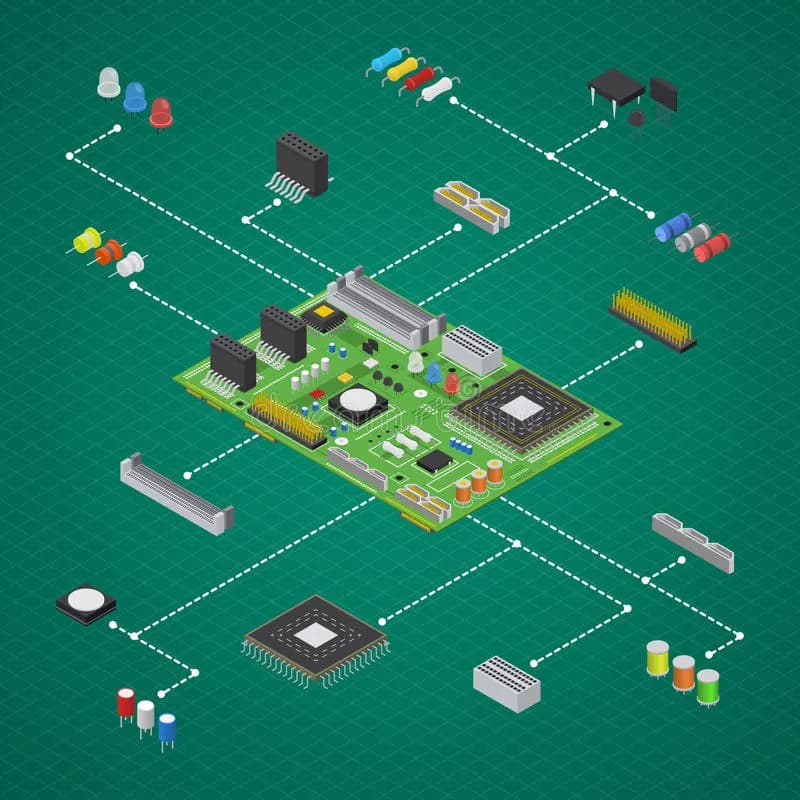
A simple formula that shows how the price of PCBA rapid sampling (quick-turn prototypes) is built up, from PCB and material costs to testing and engineering.
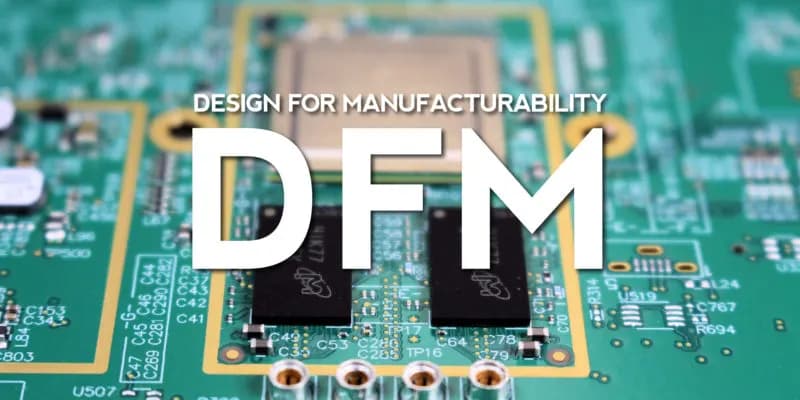
What design for manufacturability (DFM) analysis is, why manual design review falls short, and how DFM links design, process and materials for PCBA.
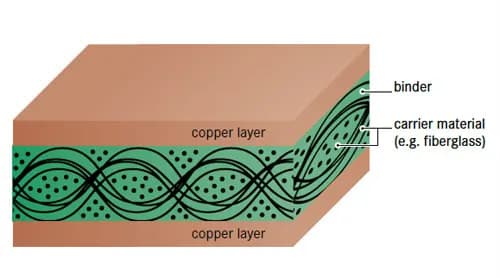
The four layers that make up a PCB, how copper clad laminate (CCL) is classified by reinforcement, flammability and performance, and what the silkscreen does.
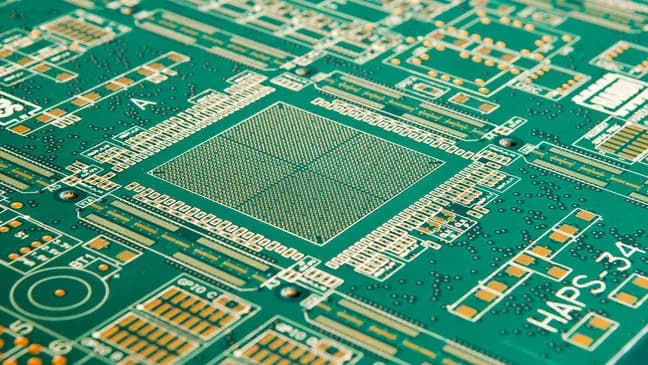
What makes high density interconnect (HDI) PCBs different, the advantages of microvias and dense routing, and where HDI boards are used today.
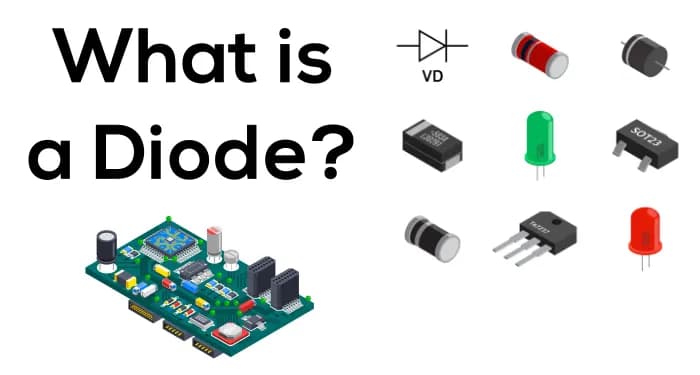
A quick reference to diode circuit symbols, from the standard diode to Zener, Schottky, varactor, tunnel, LED and photodiode symbols, and what each one does.
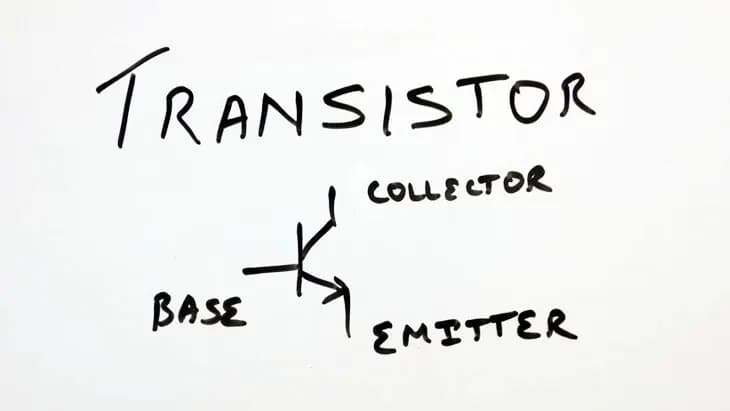
A reference table of transistor circuit symbols, covering NPN and PNP bipolar, Darlington, JFET and MOSFET transistors, and when the circle is left out.
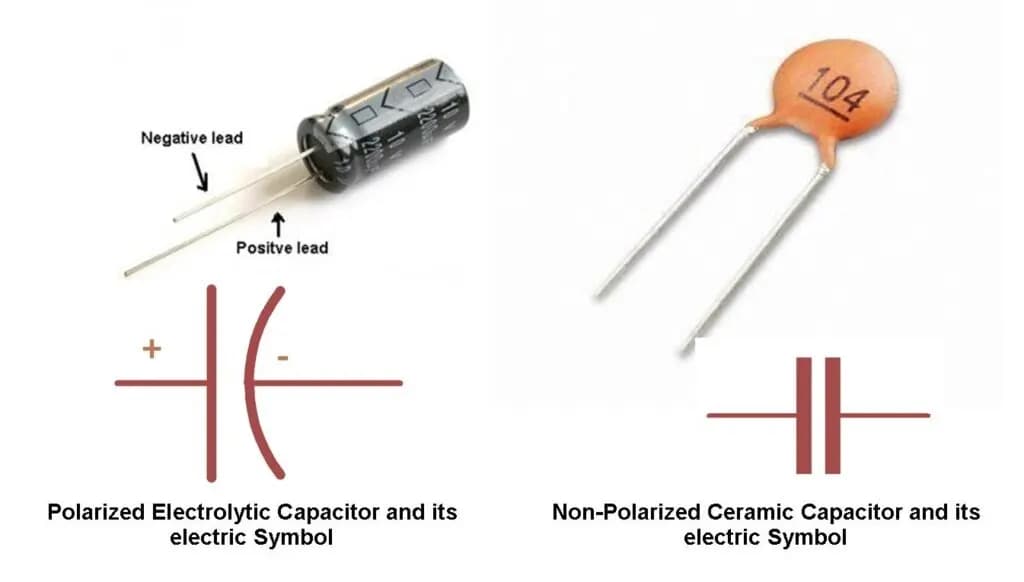
Why capacitors appear on almost every schematic, and a reference table of capacitor circuit symbols: non-polarized, polarized (electrolytic) and variable.
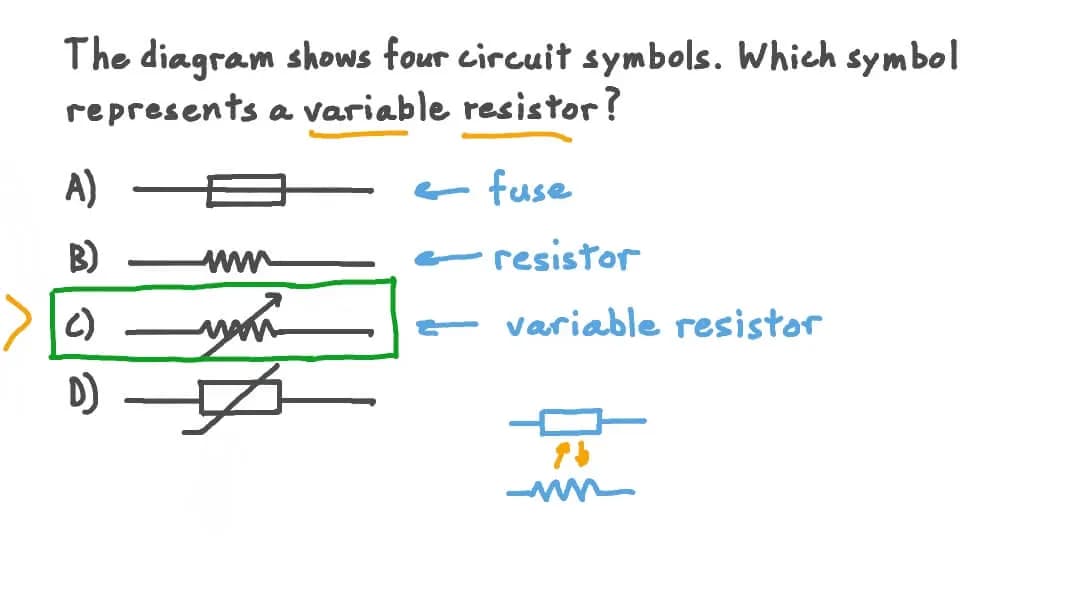
A reference table of resistor circuit symbols in IEEE and IEC styles, including potentiometers, rheostats, trimmers, thermistors and photoresistors.
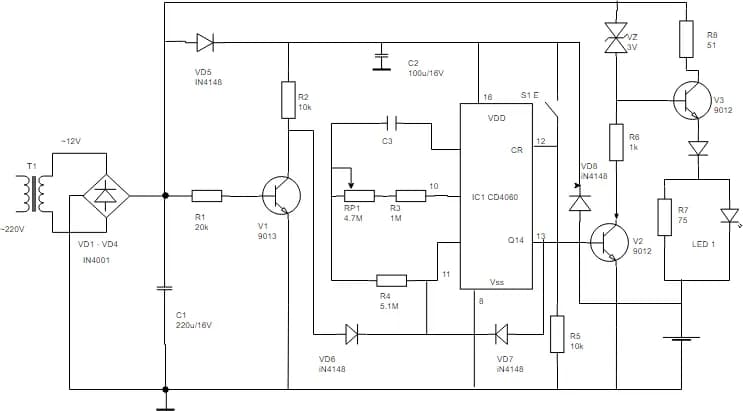
What a circuit diagram is, the difference between pictorial and schematic diagrams, why they matter in circuit design and the symbols and line styles they use.
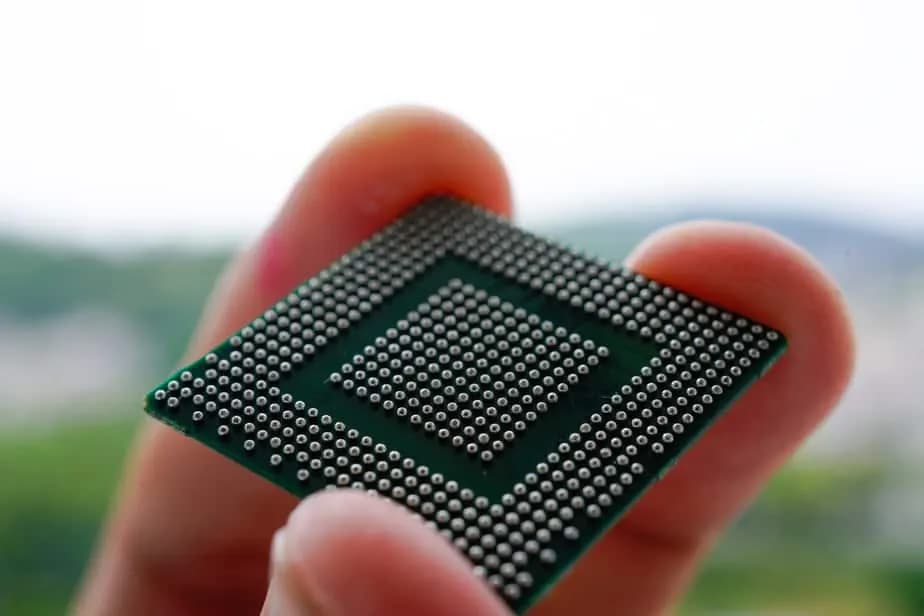
What a ball grid array (BGA) package is, how PBGA, CBGA and TBGA packages differ, and the main advantages and drawbacks of BGA components.
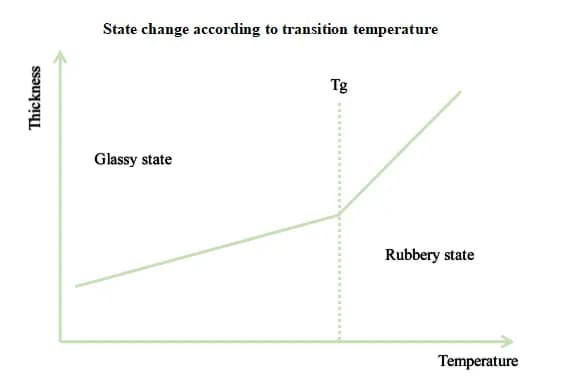
What FR-4 and Tg mean, how standard, medium and high Tg PCBs compare, the Tg values of common base materials, and when to choose a high-Tg PCB.
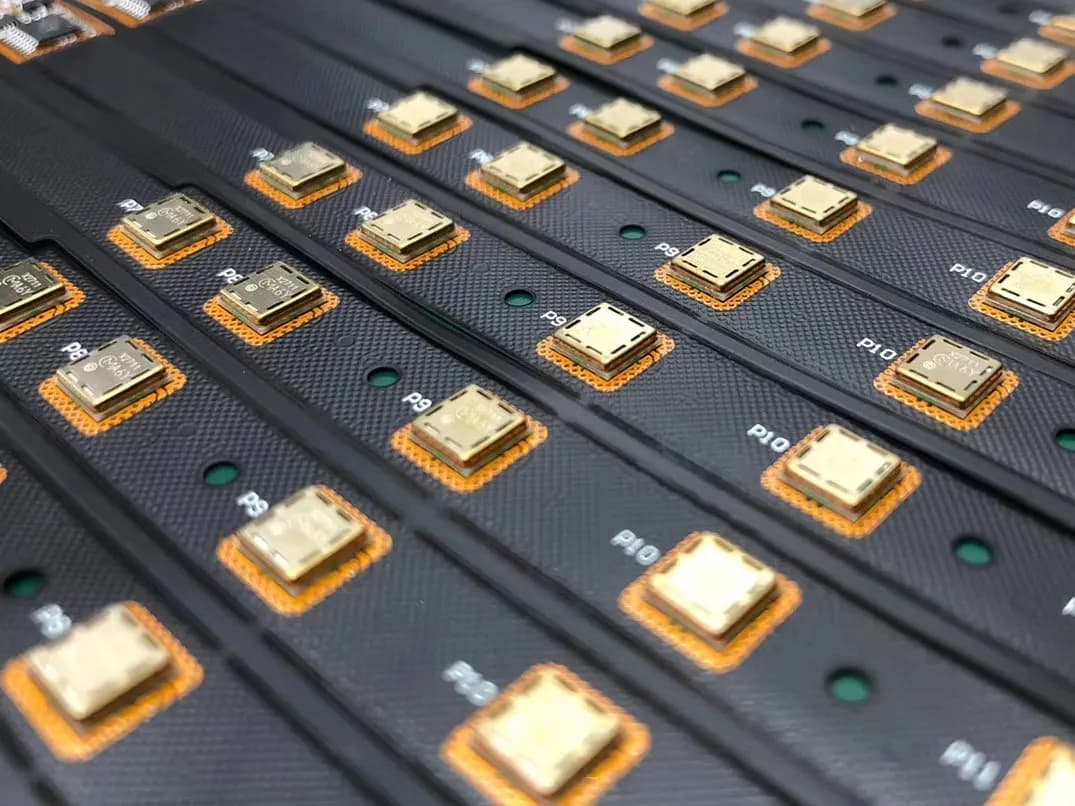
Why aluminum is the most common metal core PCB: heat dissipation, thermal conductivity, cost, durability, reliability and environmental benefits explained.
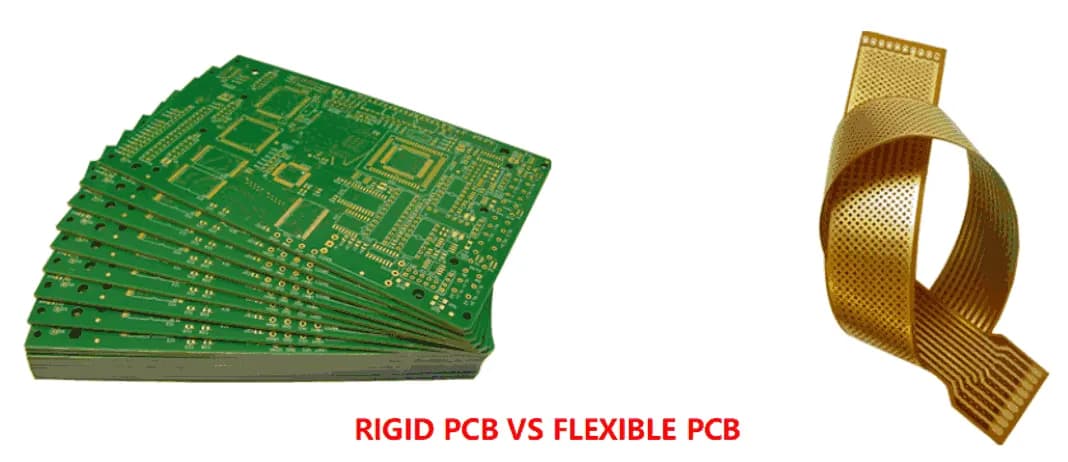
How rigid and flexible PCBs compare on flexibility, materials, thickness, shape, current capacity, space and cost, and how to choose the right board type.
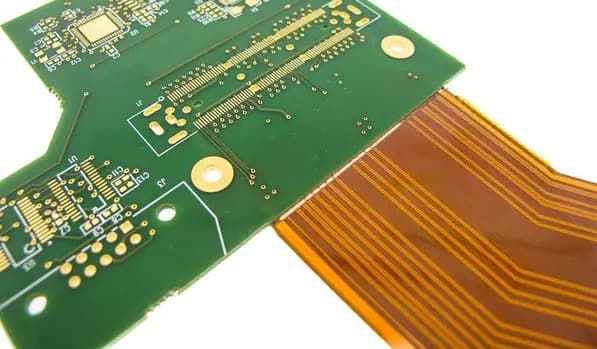
What a rigid-flex PCB is, where rigid-flex boards are used, what makes them harder to design and build, and the benefits they bring to assembly and testing.
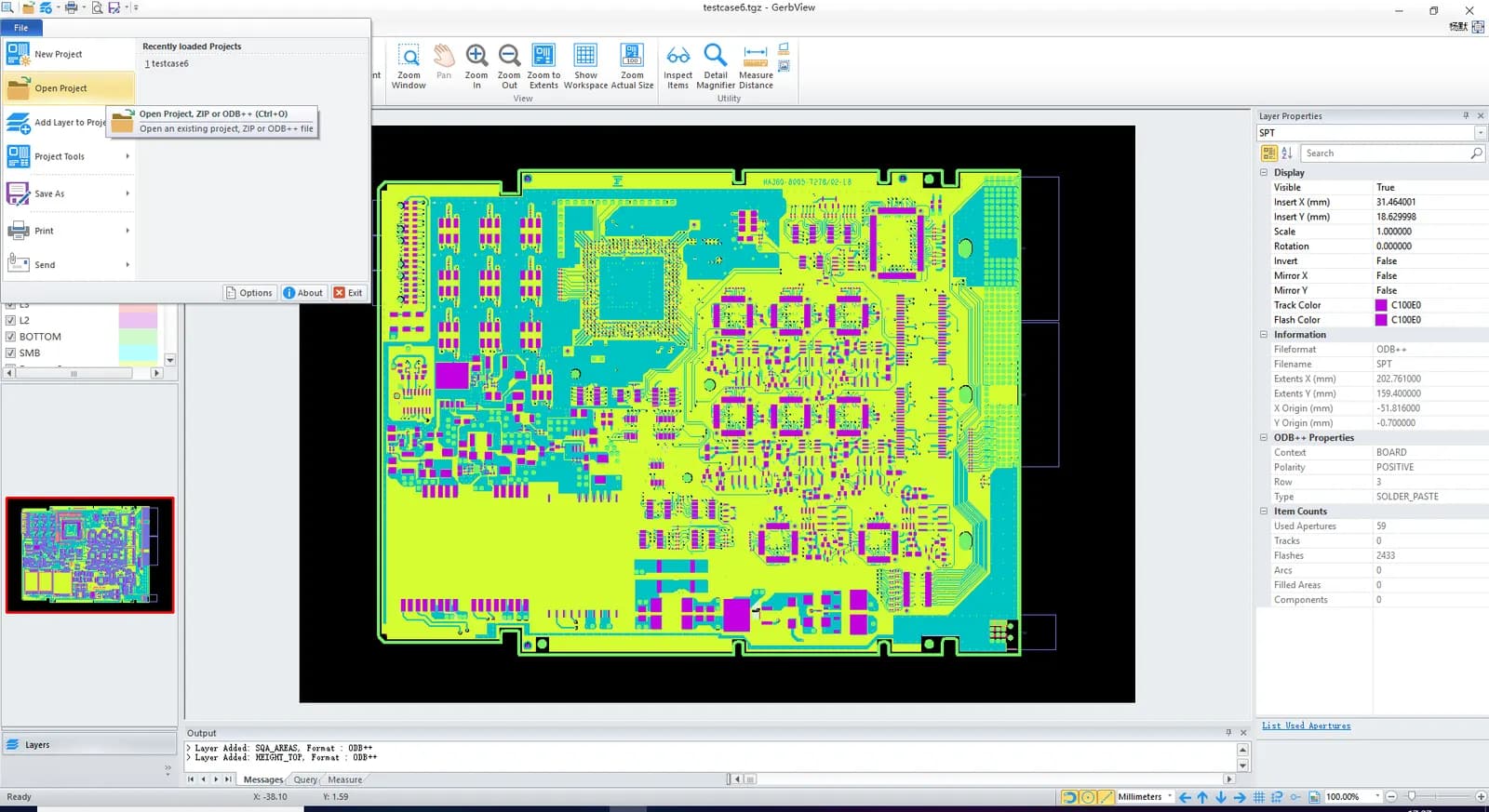
What the Gerber format is, the differences between Gerber X2, RS-274-X and RS-274-D, and how to package and view Gerber files for PCB manufacturing.
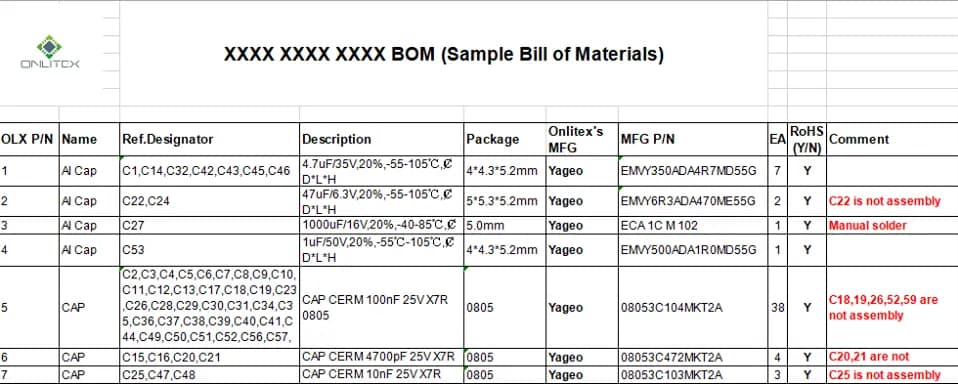
What a bill of materials (BOM) is, why it matters for PCB assembly, and the ten pieces of information every effective BOM should include, with an example.