PCBA Lead-Free (RoHS) Soldering
Quality & Testing· 2 min
PCBA Lead-Free (RoHS) Soldering
What lead-free (RoHS) soldering is, why the EU restricts lead in electronics, and the drawbacks of lead-free solder, from thermal stress to poorer wetting.

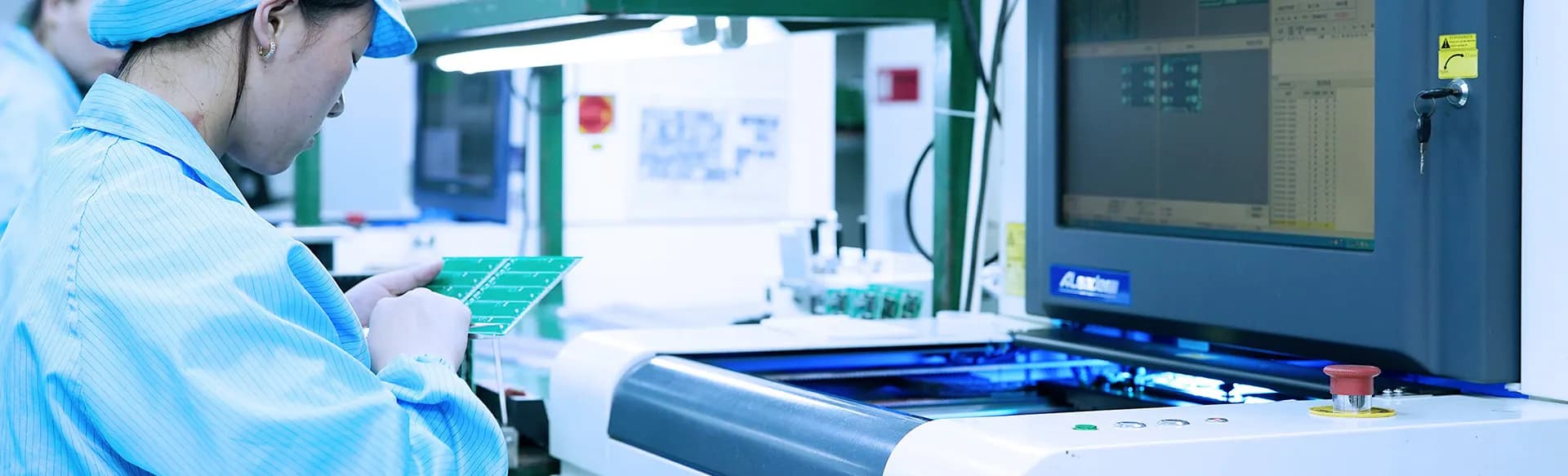
How we inspect and test PCB assemblies, and how to prevent the most common defects before they reach your product.
PCBA Lead-Free (RoHS) Soldering
What lead-free (RoHS) soldering is, why the EU restricts lead in electronics, and the drawbacks of lead-free solder, from thermal stress to poorer wetting.
PCBA Automated Optical Inspection (AOI) Explained
How automated optical inspection (AOI) works on PCB assemblies, why it replaced manual inspection, and the defects it detects on assembled and bare boards.
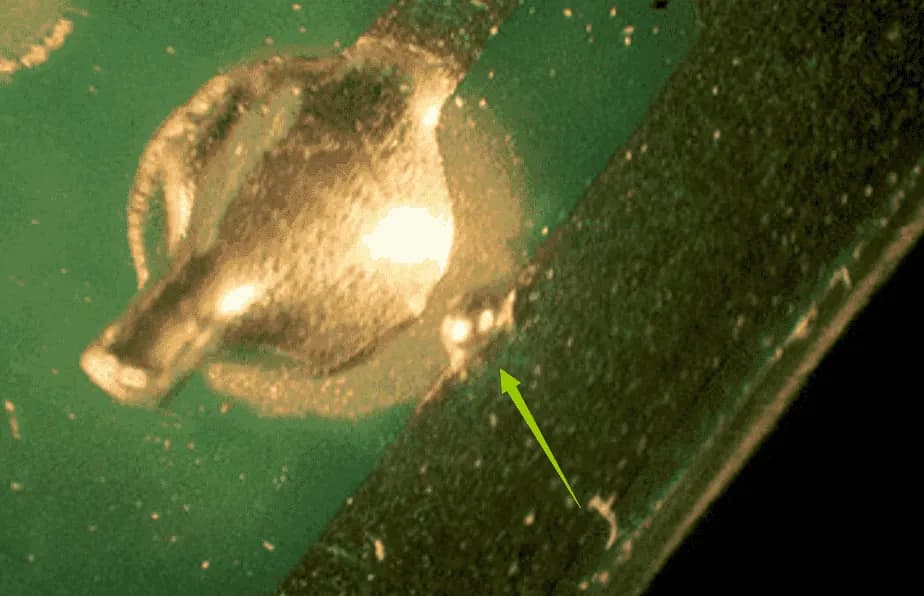
What solder beads and solder balls are, why they threaten PCBA reliability, their most common causes and the stencil and reflow fixes that prevent them.
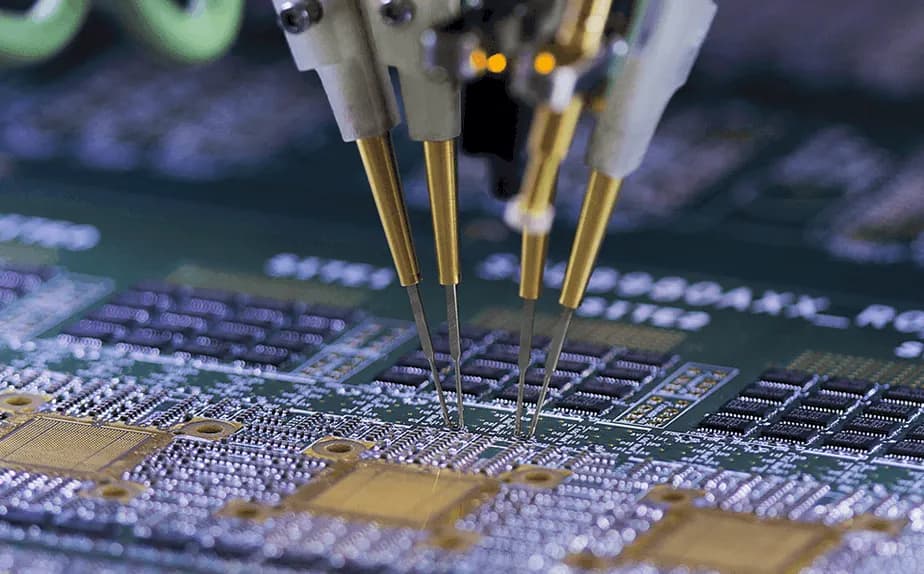
How ICT and FCT use test probes, and the main probe types to choose from: flying, spring-loaded, e-type, rotating, bead, fine-pitch and metric probes.