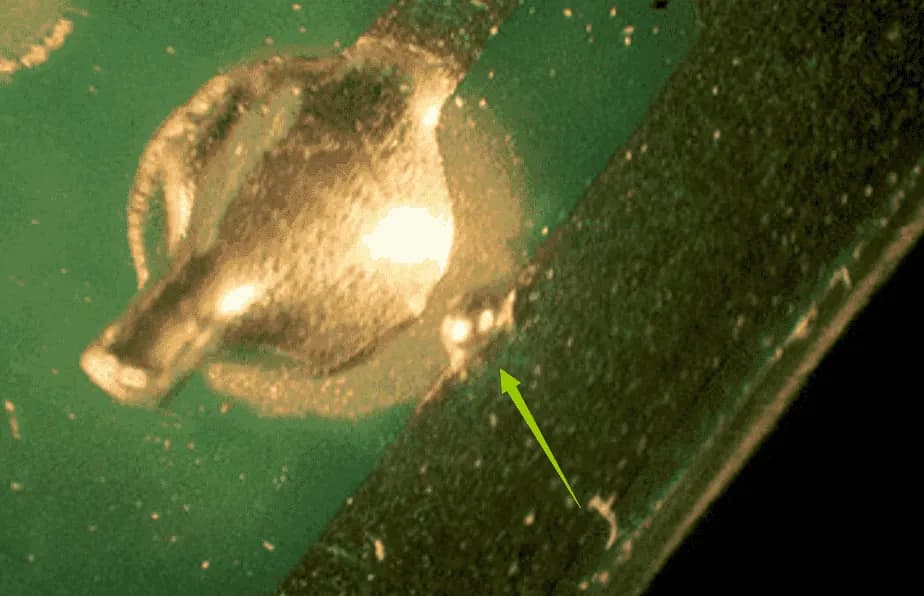
How ICT and FCT use test probes, and the main probe types to choose from: flying, spring-loaded, e-type, rotating, bead, fine-pitch and metric probes.
 Onlitex Engineering Team2 min read
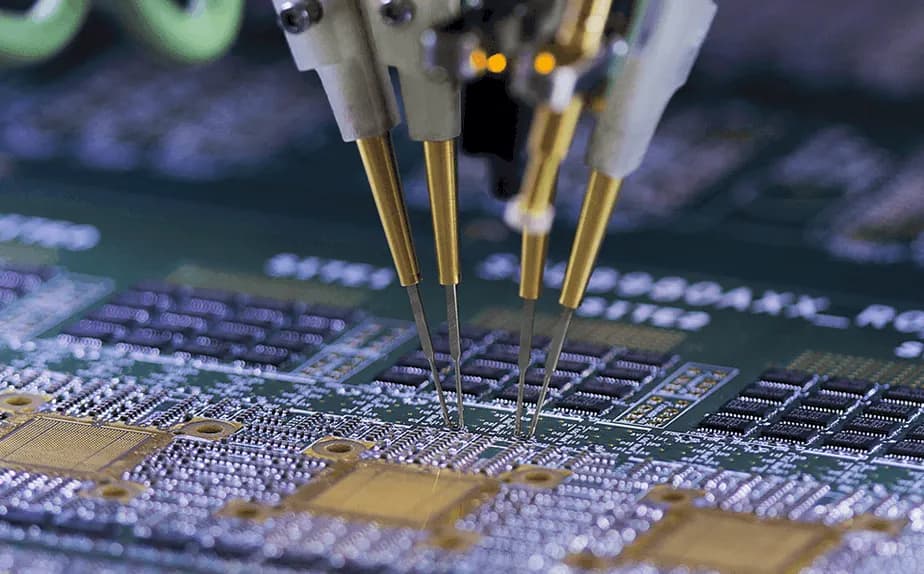
ICT and FCT testing
During in-circuit testing (ICT), all the components on the PCB are measured. In this way, defective components are detected and can be replaced.
Functional testing (FCT) checks the entire intended function of a PCB. The environment of the intended application is replicated, and the electrical performance of the PCB is checked.
Various test probes are available to meet the contacting requirements as well as possible. Depending on the PCB being contacted and the ambient conditions, Onlitex offers a variety of test probes.
Types of test probes
Flying probes
Flying test probes are used in flying probe systems. Maximum precision and contacting accuracy are achieved through the geometry of the barrel and a specialized bead, which allow contacting on a 0.15 mm grid.
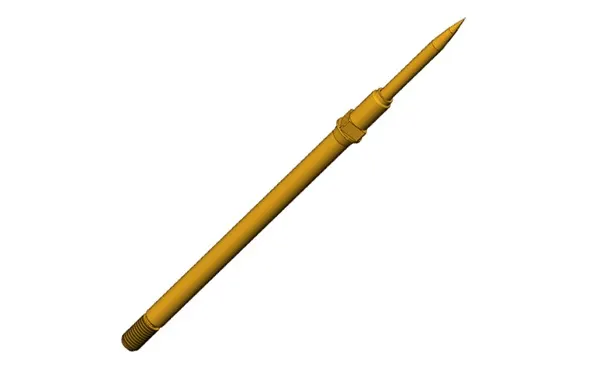
International standard spring-loaded test probes
Two versions are available: a standard working stroke (4.3 mm) and a longer working stroke (9.3 mm) for two-stage test fixtures that combine ICT and FCT. Wireless receptacles use PCB transmission to make a wireless connection to the test probe.
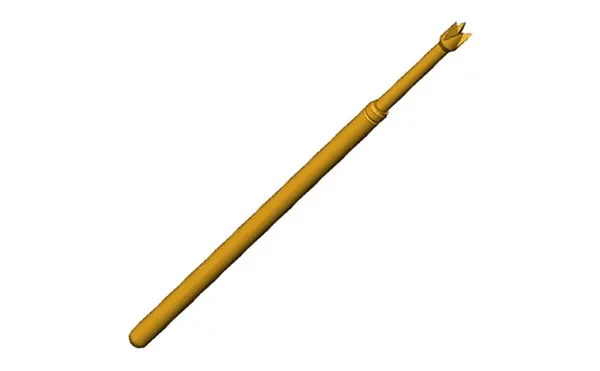
E-type test probes
Compared with standard test probes, e-type test probes have a higher preload. This higher initial spring force guarantees secure contact at the same final load (the spring force at working stroke is equal to that of a comparable standard test probe).

Rotating test probes
Rotating test probes provide a reliable alternative where there are contact problems. A rotating movement during the stroke scratches the contacted surface, so insulating layers are reliably penetrated.
Bead test probes
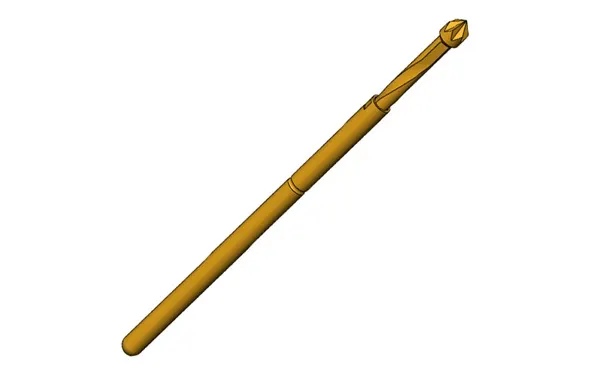
Bead test probes are used to contact beads on PCBs. A variety of tip styles are available, depending on the beads.

Fine-pitch test probes
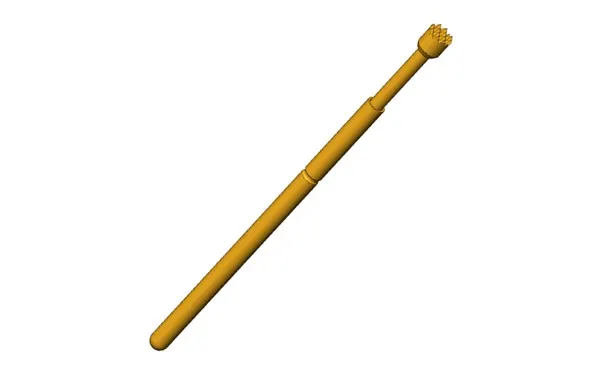
Fine-pitch test probes are used to contact very small test points on small grids. They are sometimes mounted without receptacles.
Metric test probes
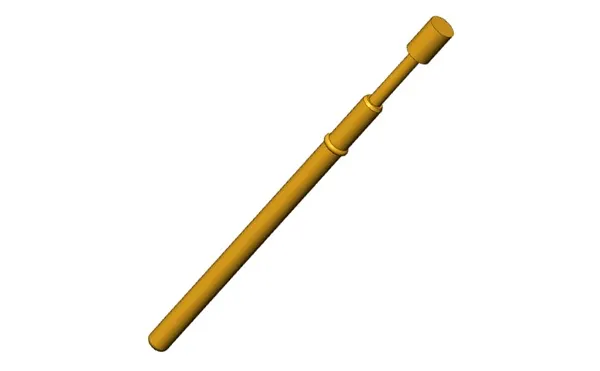
In addition to the classic ICT/FCT test probes without collars, metric standard test probes stand out for their stability and robustness, and they all have a pronounced collar.
Learn more about our inspection and testing services.
- #test probes
- #ICT
- #functional testing
- #flying probe