What design for manufacturability (DFM) analysis is, why manual design review falls short, and how DFM links design, process and materials for PCBA.
 Onlitex Engineering Team2 min read
What is manufacturability analysis?
Manufacturability analysis, or design for manufacturability (DFM) review, means that the designer evaluates the manufacturability of a product at the design stage, with the help of a set of tools and a related knowledge base, and modifies the design to meet the requirements of the manufacturing process while ensuring the product's function and quality. DFM mainly solves the problems of manually analyzing the efficiency, cost and manufacturability of product development.
The problem with traditional manual review
Traditional manual review not only delays the progress of prototype projects, but also cannot take the manufacturability, cost and other constraints of the product into account at an early stage of design.
Main features of DFM analysis
DFM adds three feedback loops to the development process of electronic products, placed ahead of the system feedback from PCBA manufacturing and the quality feedback from products in use. Its main features are:
- Design is synchronized with manufacturability. Designers can use DFM to analyze the manufacturability of the PCBA routing and correct related defects. It also reduces the limitations of inexperienced designers, improves design efficiency and first-pass success, and avoids revisions caused by design errors found during later debugging.
- Process is synchronized with design. DFM builds a bridge between design and process, so that process engineers can get involved in the design early. Based on the actual production situation, specific design problems are fed back to the designer effectively, achieving a high-quality process design for the bare PCB.
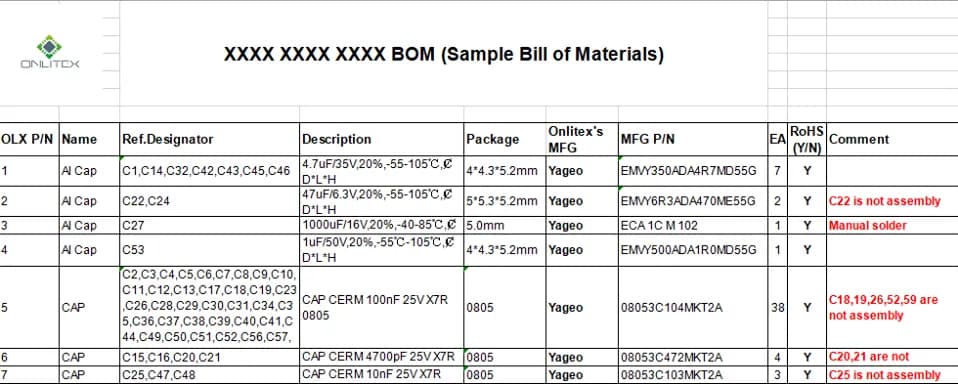
- Materials, processes and design are synchronized. DFM can check the compatibility of the BOM with the design files, simulate PCBA assembly, complete work that cannot be done in a traditional process review, and provide the most accurate and effective data for the next stage of production.
Conclusion
Applying DFM in the development of electronic products changes the traditional development model. It allows technical staff to participate fully in the design stage of prototype products, and its manufacturability rules quickly and intelligently find possible manufacturing problems so that predictive decisions can be made. The result is a higher level of R&D, first-time manufacturing success, minimized cost, a shorter development cycle and better product quality.
- #DFM
- #design for manufacturability
- #PCB design
- #PCBA