What surface mount means in PCB assembly, how solder paste, stencils and pick-and-place machines are used, and the pros and cons compared with through-hole.
 Onlitex Engineering Team1 min read
Surface Mount in PCB Assembly
What is surface mount assembly?
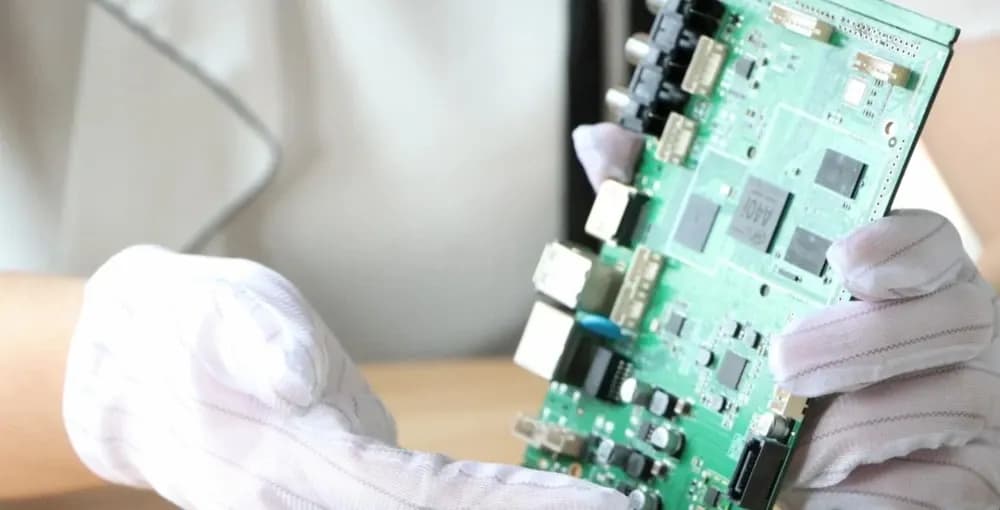
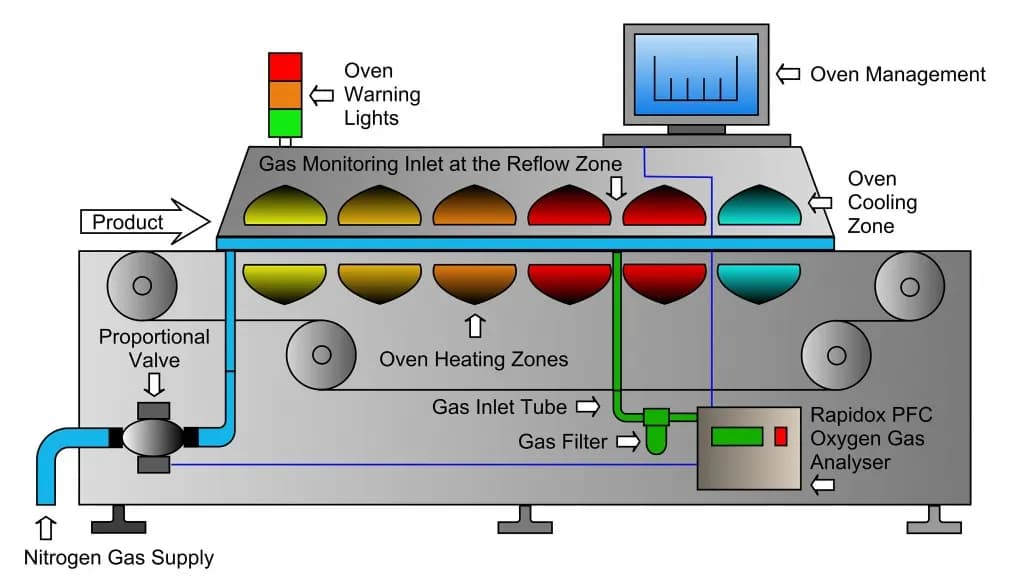
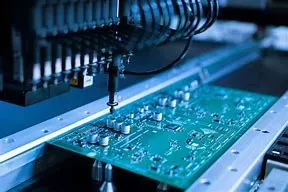
Surface mount in PCB assembly means that each component on the PCB is mounted on the surface of the board. In the PCB assembly process for surface-mount components, solder paste is applied to the board at the areas where the surface-mount components will be placed. PCB stencils are usually used to apply the solder paste, and a pick-and-place machine is used to place the SMT components on the board.
Pros and cons of surface mount assembly
Surface mount assembly is very cost-effective, takes up less board space and requires shorter production times than through-hole assembly, because no holes need to be drilled through the board. However, components are not gripped as firmly as through-hole parts, and the connection can be faulty if it is not soldered properly.
For a detailed comparison, read SMT vs through-hole PCB assembly, or see our PCB assembly service.
- #SMT assembly
- #surface mount
- #PCB assembly