How two common PCB surface finishes protect copper before soldering: the thin organic film of OSP and the tin-lead solder coating of HASL.
 Onlitex Engineering Team1 min read
HASL vs OSP: Hot Air Solder Leveling vs Organic Solderability Preservative
The overall functionality of a PCB depends on the conductivity of its copper tracks. These tracks tend to oxidize when exposed to the atmosphere, which creates problems when components are soldered during assembly. Two common surface finishes that protect the copper are OSP and HASL.
OSP (organic solderability preservative)
OSP does two things: it temporarily protects exposed copper from oxidation, and it improves solderability before components are fixed in place during assembly.
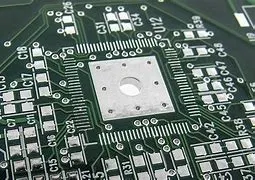
OSP creates a very thin organic coating (100–4,000 angstroms) on the PCB. It is a water-based chemical compound from the azole family, such as benzotriazoles, imidazoles and benzimidazoles. The compound is absorbed by the exposed copper and forms a protective film that prevents oxidation.
HASL (hot air solder leveling)
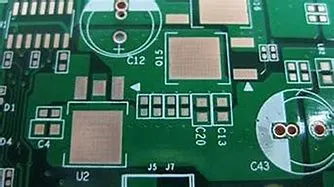
HASL is a metallic surface finish applied to the outer layers of the PCB to protect exposed copper surfaces, such as tracks, until component placement and soldering are complete.
The HASL coating is solder made of 63% tin and 37% lead. During assembly, this coating dissolves into the soldering material.
For a closer look at the OSP process and its pros and cons, see our introduction to OSP technology.
- #HASL
- #OSP
- #PCB surface finish