What a printed circuit board (PCB) is, what a printed circuit board assembly (PCBA) is, and the key difference between a bare PCB and a finished PCBA.
 Onlitex Engineering Team1 min read
What Is PCBA? PCB vs PCBA Explained
What is a PCB?
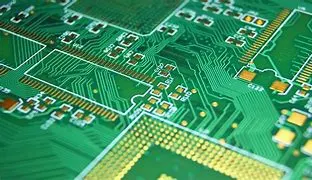
A printed circuit board (PCB) consists of a thin, flat sheet of insulating material on which electrically conductive patterns are printed or etched. These conductive patterns, made of copper or other conductive materials, form the pathways for electrical current to flow between the different components on the board. PCBs are used to support and connect electronic components in a wide variety of applications, such as PCs, telecommunications hardware and consumer electronics.
What is a PCBA?
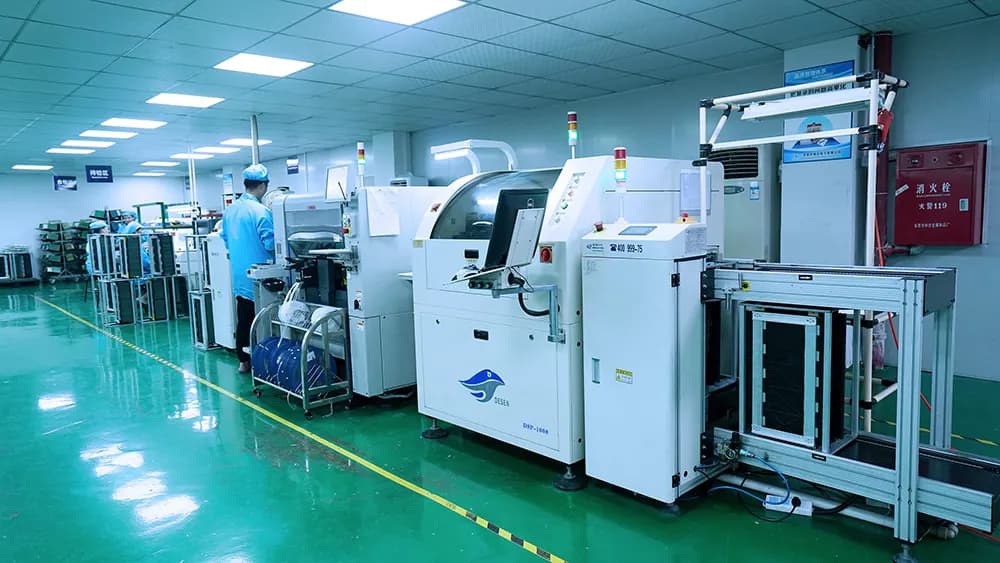
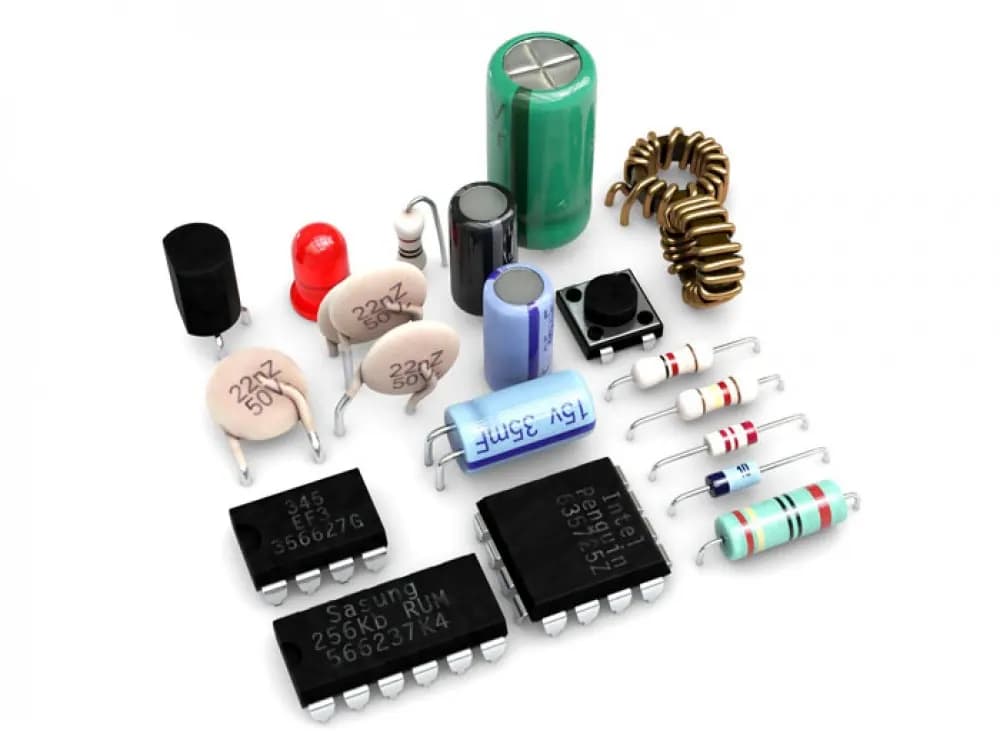
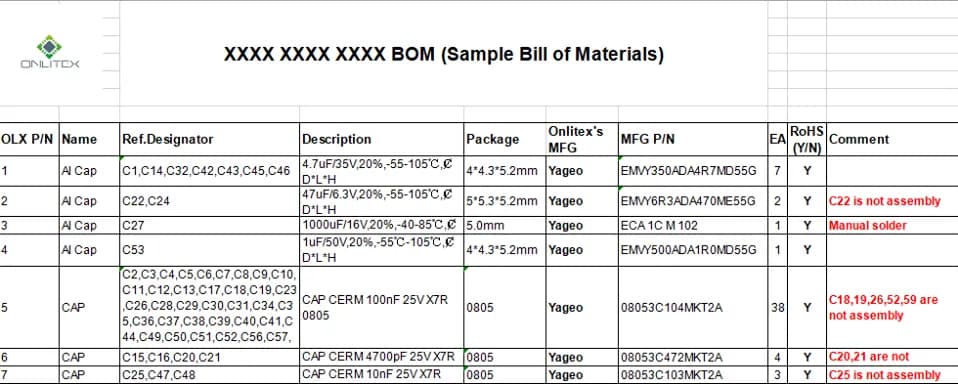
A printed circuit board assembly (PCBA) is the end result of the manufacturing process for electronic items. It consists not only of the PCB, but also of all the electronic components that have been soldered onto it. PCBA is the last stage in manufacturing electronic items, and it is what is eventually sent to the customer.
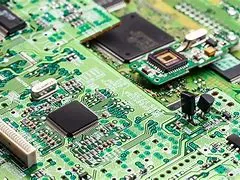
PCB vs PCBA: the key difference
The key difference between PCB and PCBA is that a PCB is a plain circuit board without any parts, whereas a PCBA includes both the PCB and its components. Also, PCBs are generally made through fabrication, while PCB assembly is done manually or with automated machinery.
Need your boards assembled? See our PCB assembly service.
- #PCBA
- #PCB vs PCBA
- #PCB assembly