Guides· 1 min
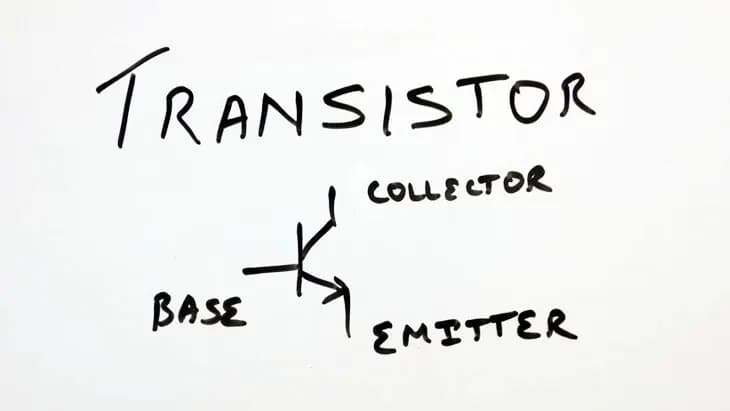
Transistor Circuit Symbols
A reference table of transistor circuit symbols, covering NPN and PNP bipolar, Darlington, JFET and MOSFET transistors, and when the circle is left out.

A reference table of transistor circuit symbols, covering NPN and PNP bipolar, Darlington, JFET and MOSFET transistors, and when the circle is left out.
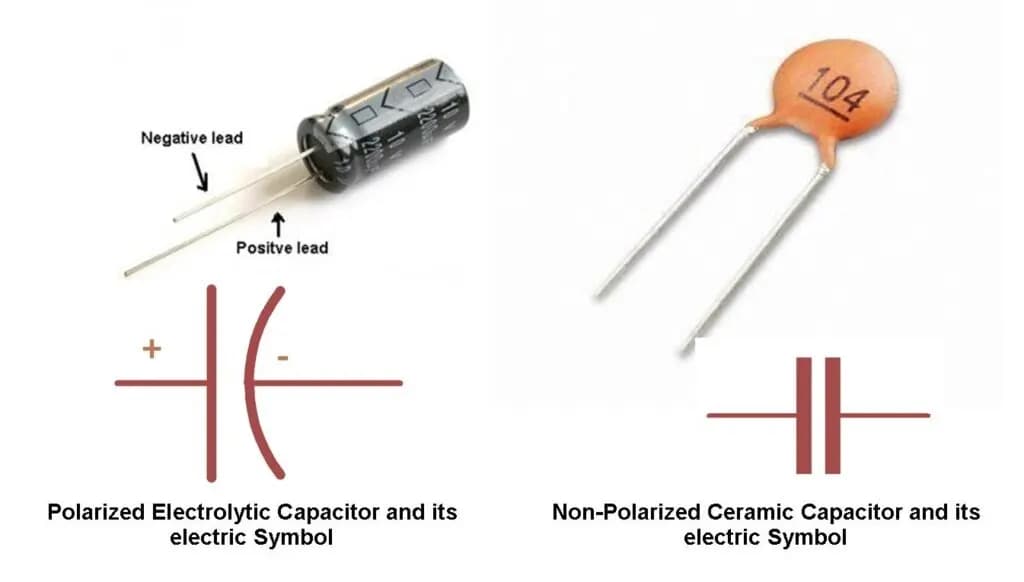
Why capacitors appear on almost every schematic, and a reference table of capacitor circuit symbols: non-polarized, polarized (electrolytic) and variable.
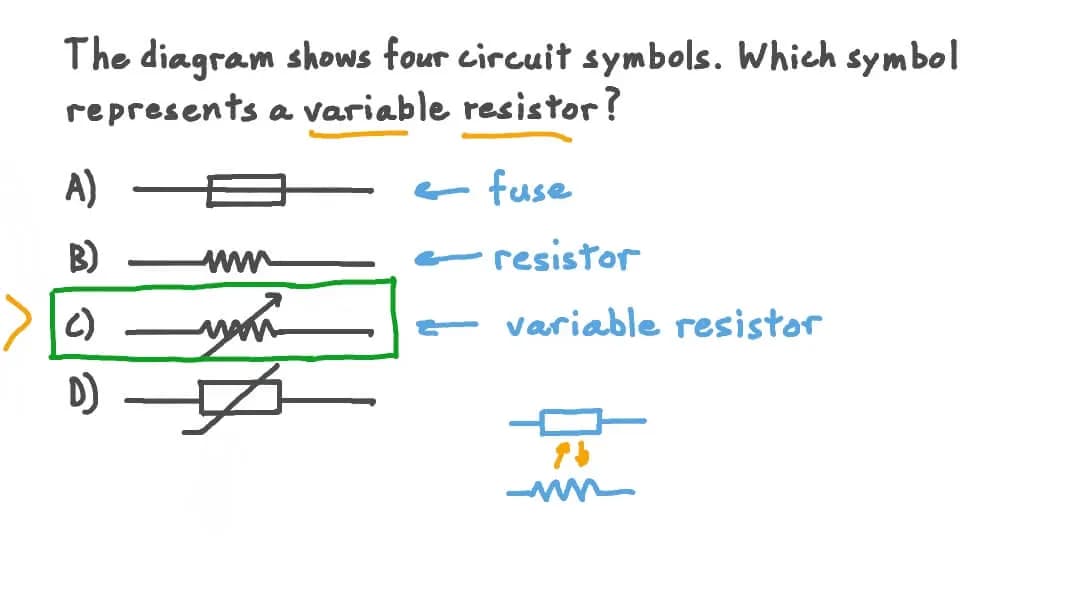
A reference table of resistor circuit symbols in IEEE and IEC styles, including potentiometers, rheostats, trimmers, thermistors and photoresistors.
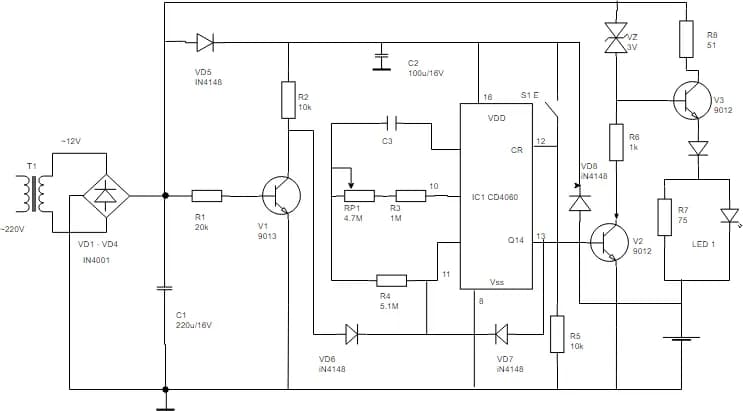
What a circuit diagram is, the difference between pictorial and schematic diagrams, why they matter in circuit design and the symbols and line styles they use.
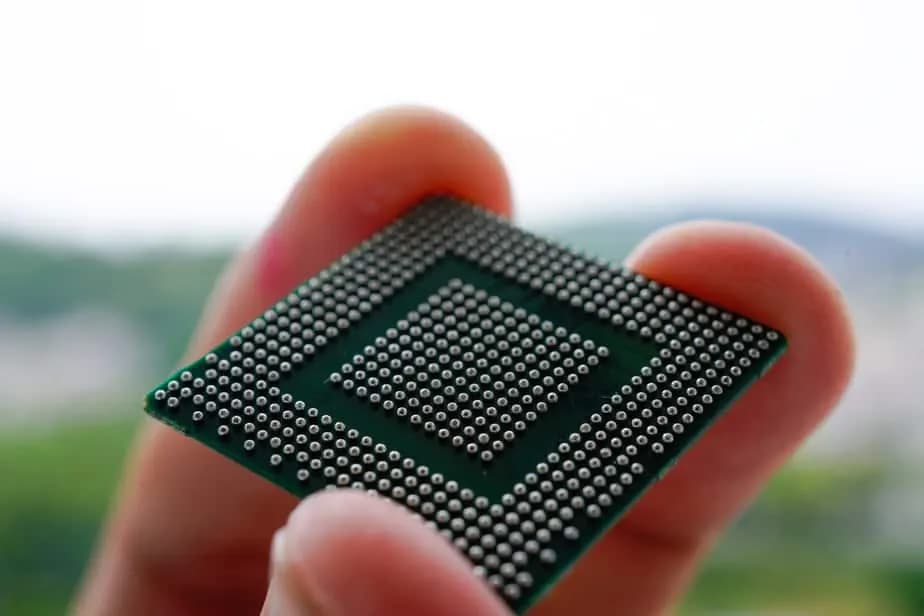
What a ball grid array (BGA) package is, how PBGA, CBGA and TBGA packages differ, and the main advantages and drawbacks of BGA components.
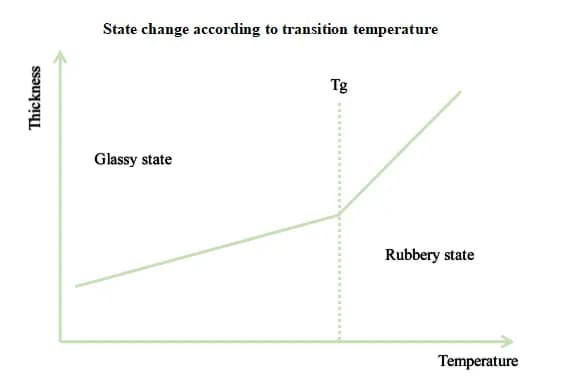
What FR-4 and Tg mean, how standard, medium and high Tg PCBs compare, the Tg values of common base materials, and when to choose a high-Tg PCB.
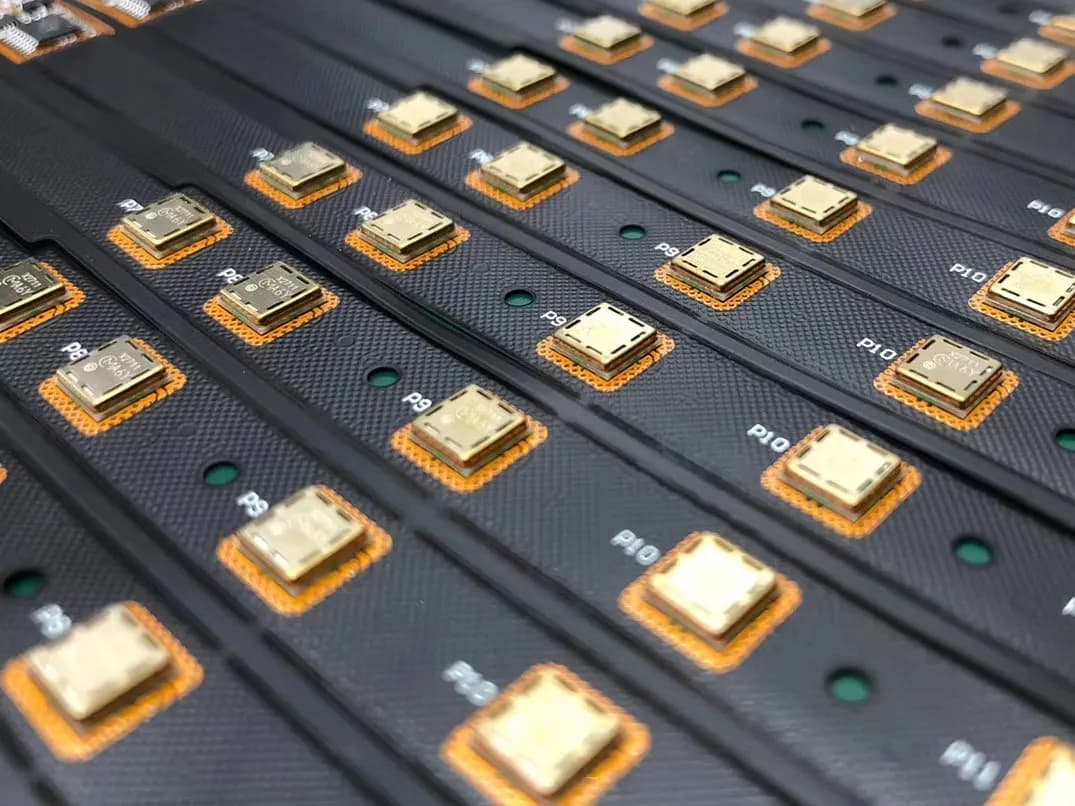
Why aluminum is the most common metal core PCB: heat dissipation, thermal conductivity, cost, durability, reliability and environmental benefits explained.
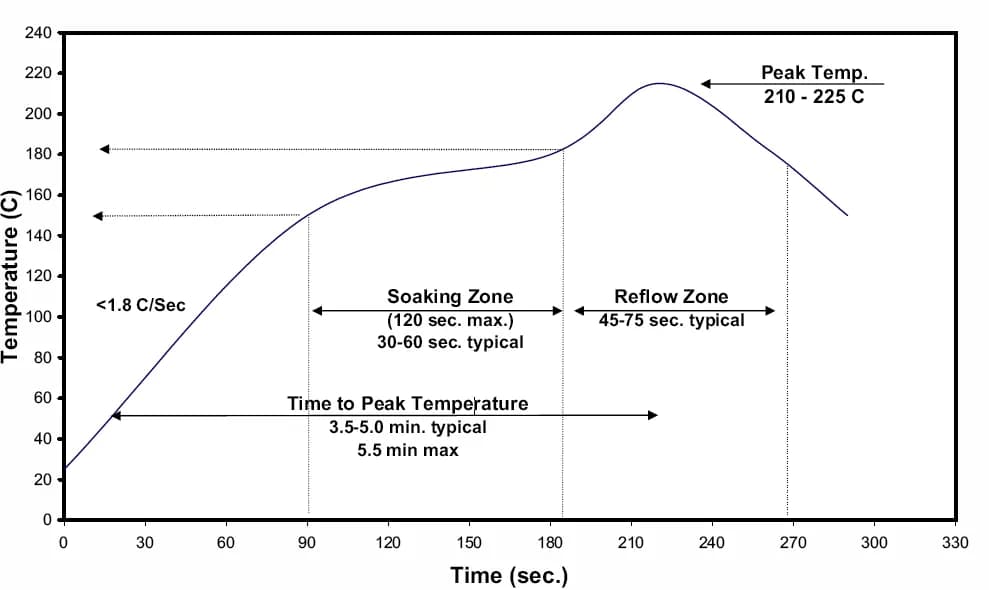
The key SMT steps for flexible printed circuits: fixing the FPC to a carrier, solder paste printing, placement, reflow profiling, inspection and depaneling.
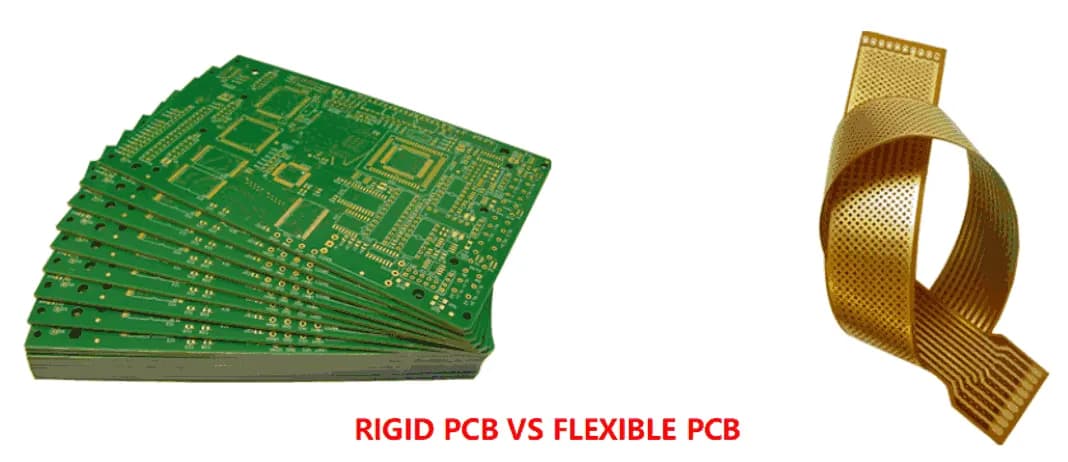
How rigid and flexible PCBs compare on flexibility, materials, thickness, shape, current capacity, space and cost, and how to choose the right board type.
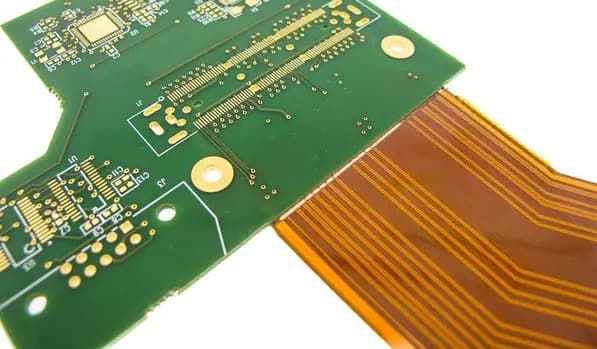
What a rigid-flex PCB is, where rigid-flex boards are used, what makes them harder to design and build, and the benefits they bring to assembly and testing.
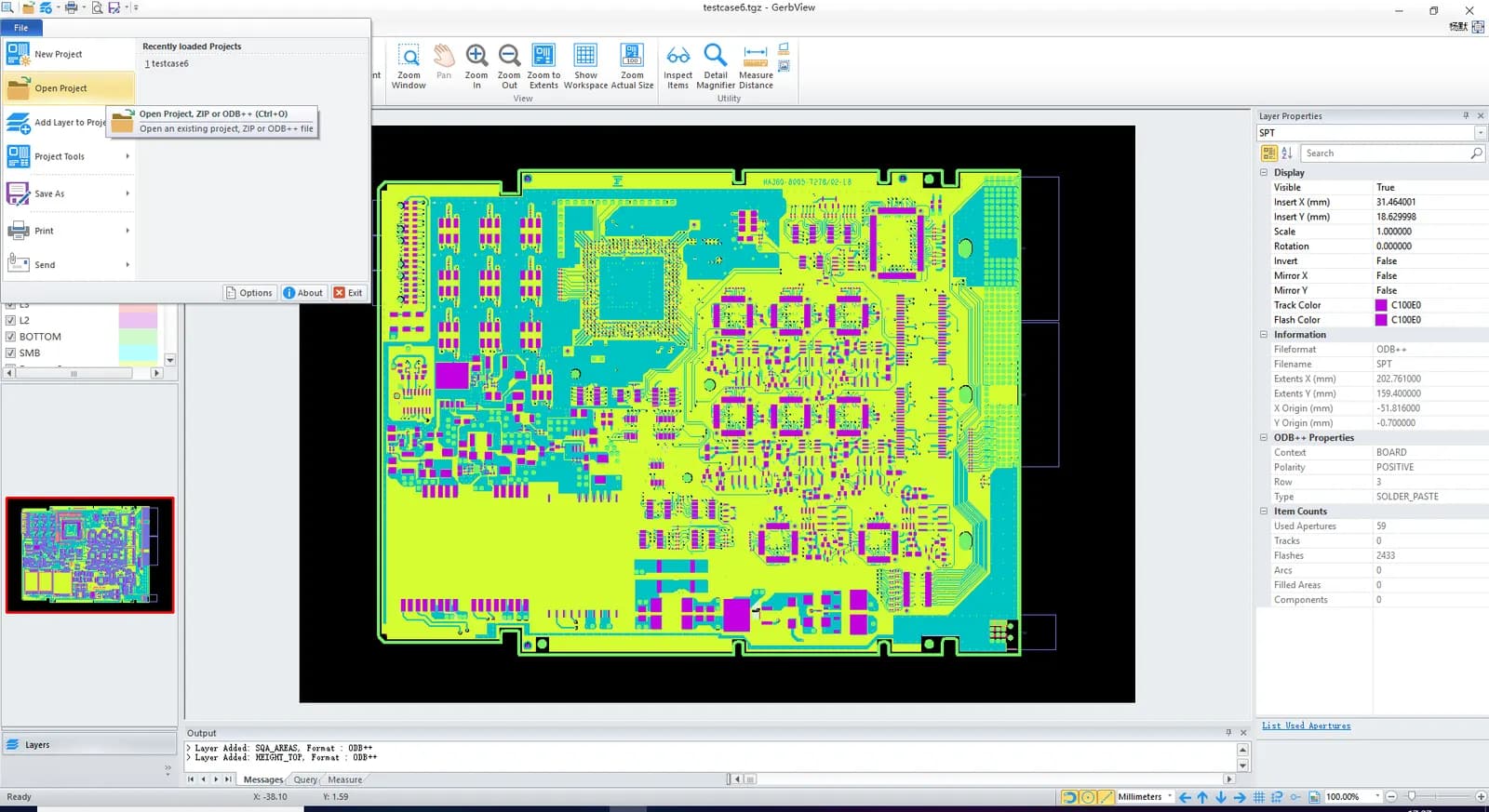
What the Gerber format is, the differences between Gerber X2, RS-274-X and RS-274-D, and how to package and view Gerber files for PCB manufacturing.
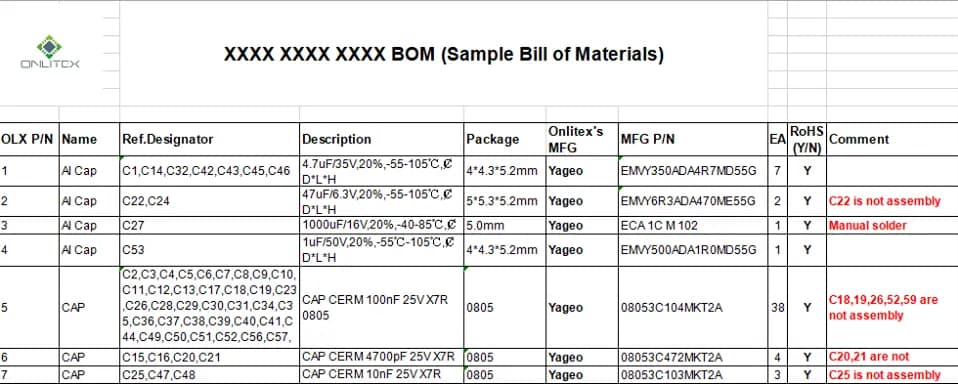
What a bill of materials (BOM) is, why it matters for PCB assembly, and the ten pieces of information every effective BOM should include, with an example.